
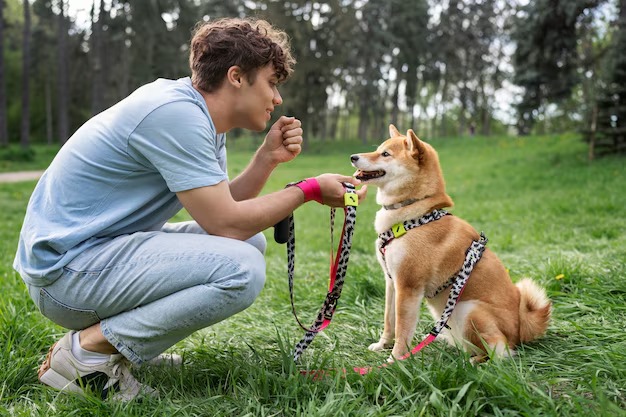
Troubleshooting Desensitization to Handling: Common Mistakes and Pro Tips
Is your dog still pulling away, growling, or shutting down when you try to touch them — even after you’ve started desensitization training? Don’t get discouraged! Handling sensitivity is one of the most common issues Arizona dog owners face, and progress takes time, trust, and the right approach.
At Rob’s Dogs, we’ve helped countless dogs across Phoenix, Scottsdale, Tempe, Mesa, Chandler, Gilbert, Glendale, Peoria, and Paradise Valley learn to relax and enjoy physical handling through patient, positive training. Below, we’ll cover the most common mistakes owners make during desensitization — and our pro tips to fix them.
Mistake #1: Moving Too Fast
The most common setback comes from going too quickly — touching sensitive areas before your dog is ready or skipping steps in the process.
Pro Tip:
Go at your dog’s pace, not your timeline. Start with short, calm sessions focused on easy touch zones like the shoulders or back. Reward calm behavior generously. Only move to paws, ears, or tail when your dog shows relaxed body language. Slow and steady always wins here.
Mistake #2: Training When the Dog Is Already Stressed
Trying to train when your dog is anxious, hyper, or overstimulated can make handling sensitivity worse.
Pro Tip:
Choose the right time. Work in a quiet, familiar environment when your dog is calm and has already released some energy through exercise or play. Training should always start from a relaxed emotional state.
Mistake #3: Ignoring Body Language
Many owners miss early warning signs that their dog is uncomfortable — subtle stress cues like lip licking, yawning, or turning their head away. Pushing through these moments teaches your dog that handling feels unsafe.
Pro Tip:
Watch for small signals of discomfort and stop before your dog feels the need to growl or bite. Respecting their boundaries builds trust faster than forcing tolerance ever will.
Mistake #4: Skipping Positive Association Steps
Desensitization only works if your dog feels good about the process. If you touch them without first creating positive associations, they’ll continue to see handling as unpleasant.
Pro Tip:
Pair every touch with treats, praise, or play. Start with simple “approach and reward” sessions — reaching toward your dog and rewarding them before you even make contact. Over time, your dog learns that your hands predict something great.
Mistake #5: Forcing the Issue
If your dog resists or moves away, and you hold them still or try to “get it done,” the trust you’re building can disappear quickly.
Pro Tip:
Always give your dog the option to move away. Cooperative training is about choice and trust. When your dog feels safe and in control, they’ll willingly allow more handling.
Mistake #6: Sessions That Are Too Long
Overly long sessions often lead to frustration — for both you and your dog. The goal isn’t to “get through it,” but to end every session on a positive note.
Pro Tip:
Keep early sessions short — just 2–5 minutes. End before your dog gets tired or frustrated. A few short, positive sessions per day are far more effective than one long stressful one.
Mistake #7: Not Reinforcing Calm Behavior
It’s easy to focus only on what your dog does wrong — pulling away, pawing, or growling — instead of catching them when they’re calm.
Pro Tip:
Reward stillness and relaxation often. If your dog calmly allows you to touch their paw or ear, praise and treat immediately. Reinforcing calm behavior helps your dog understand what earns rewards.
Mistake #8: Lack of Consistency Between Family Members
If one person in the home is patient and another rushes or uses force, the dog’s trust and progress can backslide quickly.
Pro Tip:
Make sure everyone follows the same training plan and uses the same cues and timing. Consistency across the household helps your dog know exactly what to expect — and builds lasting comfort with handling.
Mistake #9: Expecting Quick Results
Desensitization training takes time, especially for dogs with a history of fear, pain, or trauma. Many owners get discouraged too soon, but steady progress often happens in small steps.
Pro Tip:
Celebrate small wins! Every calm touch, every relaxed moment is progress. Keep sessions positive, be patient, and trust the process.
When to Call a Professional Trainer
If your dog growls, snaps, or panics when touched, or if progress feels stuck, it’s time for professional support. At Rob’s Dogs, we specialize in:
- Handling desensitization and cooperative care training
- Behavior modification for fear, reactivity, and sensitivity
- Safe, positive reinforcement methods
- Personalized one-on-one coaching for owners
Our trainers help dogs feel secure and confident through patient, trust-based handling exercises — no force, no fear.
Final Thoughts
Desensitization to handling is one of the most valuable skills you can teach your dog. It makes everyday care easier, builds confidence, and strengthens your bond. With time, structure, and the right approach, your dog can learn that being touched is something to look forward to — not something to fear.
If you’re ready to make handling stress-free for you and your dog, Rob’s Dogs is here to help. Our experienced trainers provide custom programs for dogs across the Valley, from puppies to seniors, and everything in between.
Call today at (480) 490-8941 to schedule your free estimate!
If you’re researching Jack Russell Terrier training in Arcadia, chances are you’re juggling a busy schedule while trying to manage a very energetic dog. Between school drop-offs, work commutes into Phoenix or Scottsdale, weekend activities, and social commitments, adding “dog trainer” to your to-do list can feel overwhelming. The good news? With the right structure
If you’re researching Jack Russell Terrier training in Arcadia, chances are something isn’t going quite right. Jack Russells are brilliant, athletic, and full of personality. But without structure, their intelligence and energy can quickly turn into frustration — especially in an active, high-distraction area like Arcadia. From canal path walks to patio dining and busy
If you’ve scheduled Jack Russell Terrier training in Arcadia, congratulations — you’ve taken an important step toward building a calmer, more responsive dog. Jack Russells are incredibly intelligent and energetic, and with the right structure, they become focused, confident companions. But many owners arrive at their first session unsure of what to expect. What should
If you’re considering Jack Russell Terrier training in Arcadia, you may be asking yourself a practical question: Is professional training really worth it? Jack Russells are intelligent, energetic, and fiercely independent. In the right hands, they become focused, responsive, and impressive companions. Without structure, they can quickly become overwhelming — especially in a high-distraction area